
Free Basic Water is Neither Free, Nor Affordable
AWCC challenges Cape Town’s water policies and their impact on poor communities
 Why This Open Letter Matters
In South Africa, access to water is enshrined as a constitutional right. A basic water allocation to households falls within the municipal/ local government mandate through the Free Basic Water policy. In Cape Town, however, low-income communities argue that this basic water allocation is insufficient for large households and that the city’s systems for recovering water debt place additional burdens on people already struggling with poverty, unemployment and rising living costs.
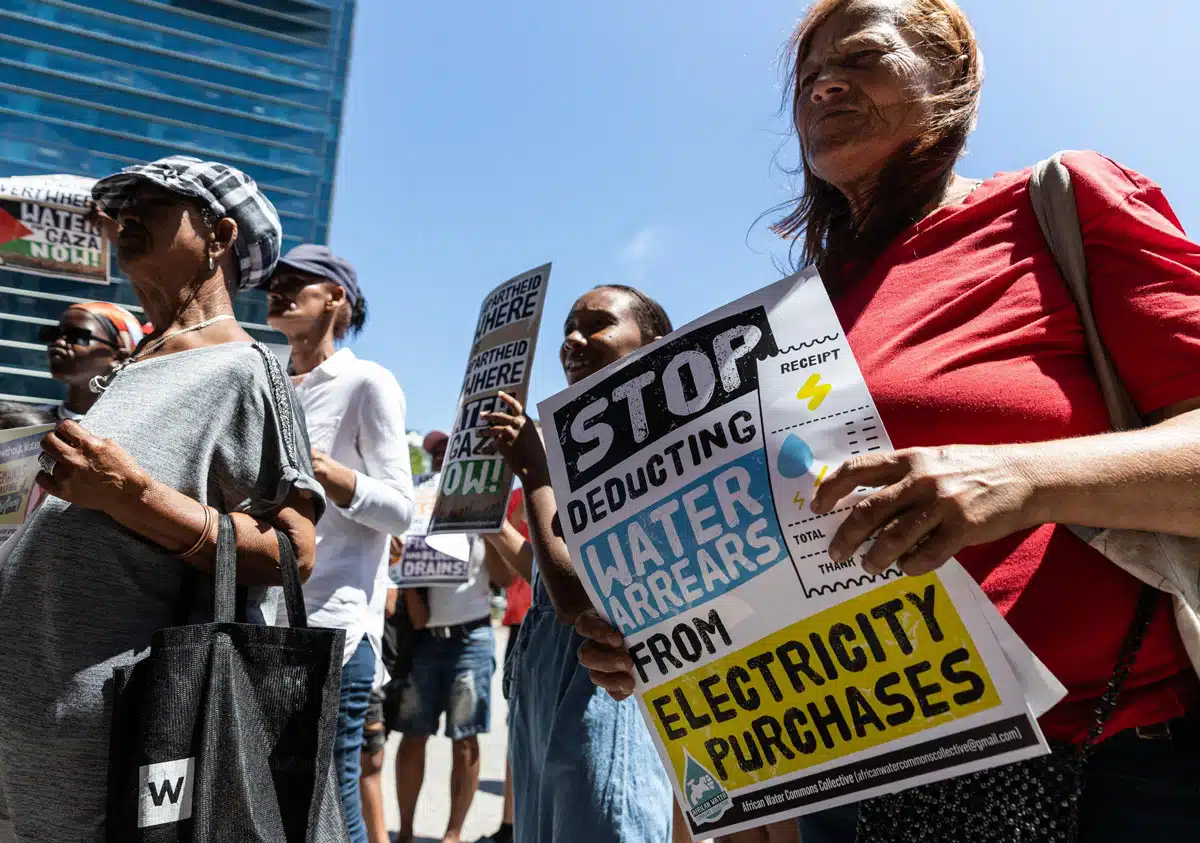
The Daily Maverick published an op-ed written by the African Water Commons Collective and The Movements Collective, titled Free Basic Water is Not Free, and is Not Affordable. This article argues that while Cape Town promotes itself as a leader in water management, unaffordable water costs, deductions from electricity purchases to recover water debt, restrictive water management devices, and barriers to accessing indigent support programmes intended to assist poor households continue to be faced by low-income residents. The article raises broader questions about whether current approaches to water governance adequately fulfil the constitutional commitment to ensure access to sufficient water for all.
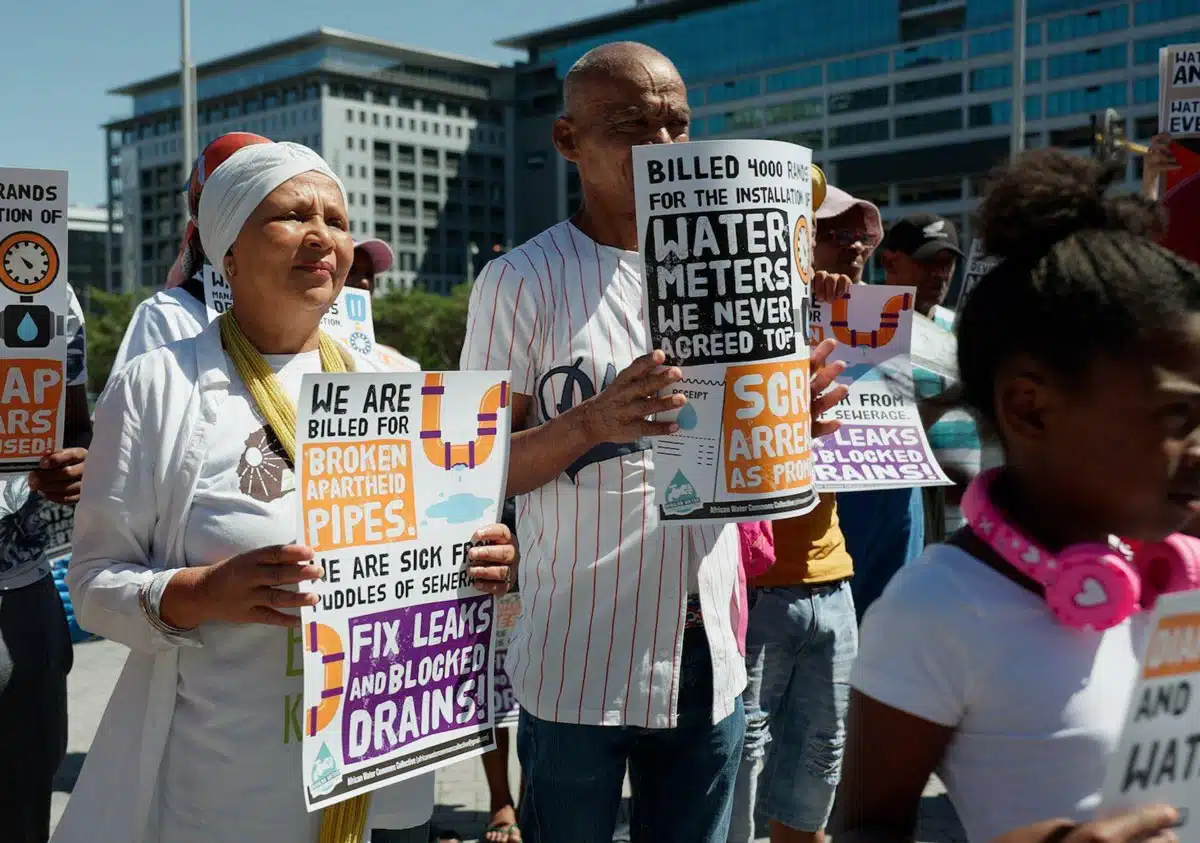
The open letter below was produced by the African Water Commons Collective (AWCC), a network of community organisers, researchers, activists and Water Action Committees working in communities across South Africa. It is the second letter that they are sending to the City of Cape Town, after the City’s dismissive and defensive response to their last open letter. The AWCC supports grassroots organising around water justice, democratic water governance and the principle that water should be managed as a commons rather than as a commodity. The letter draws on community-based research and engagement conducted with Water Action Committees in Makhaza (Khayelitsha), Clarke Estate (Elsies River) and Nyanga between 2025–2026. Through workshops, interviews and collective reflection, residents documented how current water policies affect everyday life in some of Cape Town’s poorest communities. Their findings form the basis of the demands and testimonies presented below.
At its core, this letter argues that access to water cannot be separated from questions of racism, poverty, inequality, gender justice and democratic accountability. It calls on the City of Cape Town to reconsider policies that, according to affected communities, restrict access to water and deepen existing inequalities.